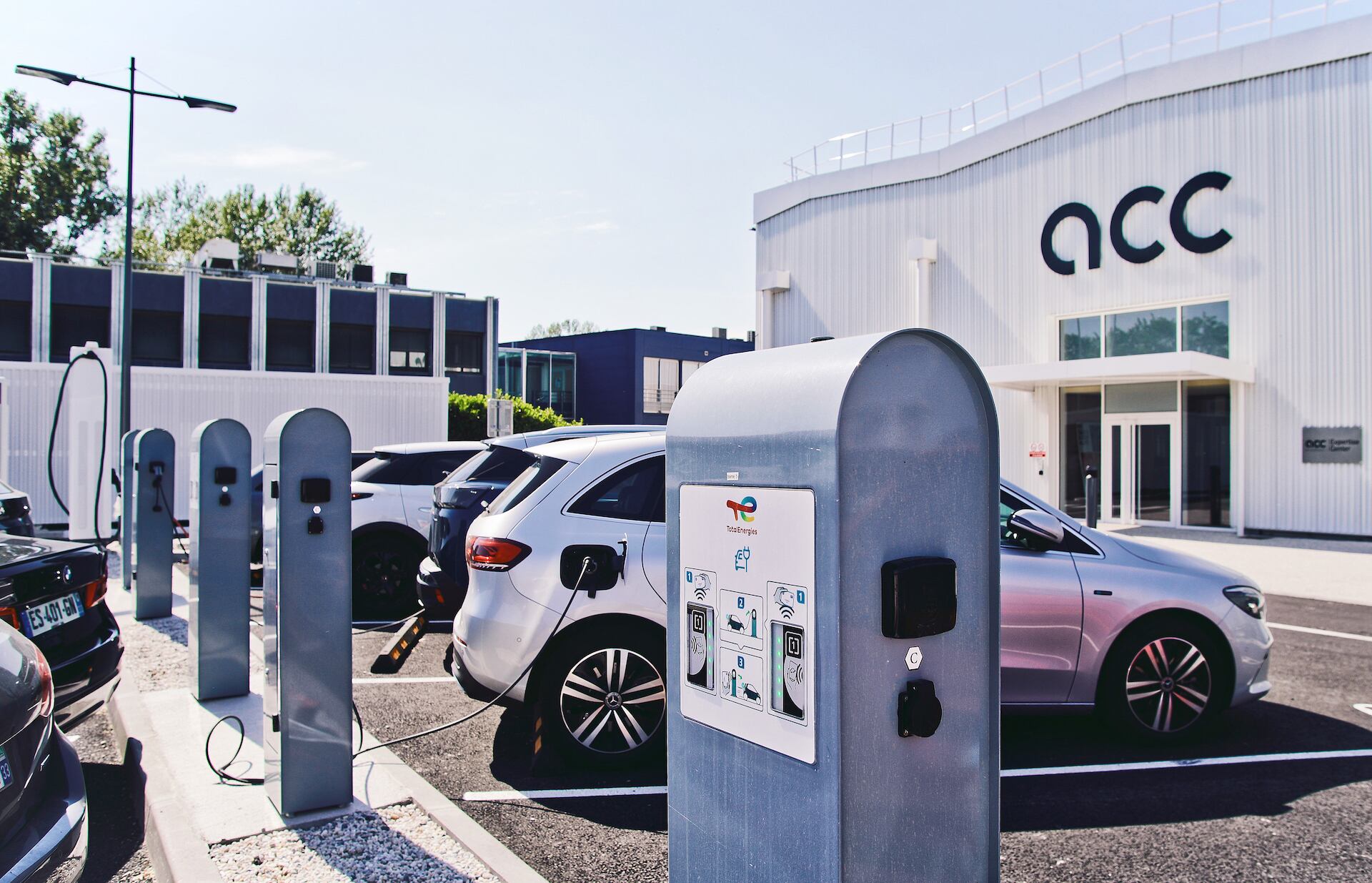
Stellantis-backed Automotive Cells Company (ACC) is reportedly cancelling plans for a gigafactory in Italy, a move that could have significant implications for Europe’s EV battery production landscape. The decision highlights the complexities of scaling battery manufacturing and the challenges automakers face amid rising costs, supply chain pressures, and strategic realignments.
Background: ACC and the Italian Gigafactory
ACC, a joint venture between Stellantis and TotalEnergies, was established to produce high-performance EV batteries for the European market. The Italian gigafactory was intended to:
- Supply Stellantis EVs: Support brands like Fiat, Peugeot, and Jeep in Europe.
- Strengthen EU Battery Production: Contribute to the EU’s goal of reducing dependency on Asian battery imports.
- Create Local Jobs: Boost employment and technological expertise in Italy.
However, recent reports indicate that the plan to build the Italian plant has been cancelled or indefinitely postponed, forcing ACC to rethink its production strategy.
Reasons Behind the Cancellation
Industry analysts cite several potential factors for the decision:
- Rising Costs: Construction, labor, and materials costs in Europe have increased, affecting project viability.
- Supply Chain Challenges: Global battery raw material shortages, including lithium and nickel, have complicated production planning.
- Strategic Focus Shift: ACC may be concentrating resources on existing or alternative sites in France or Germany.
- Market Dynamics: Fluctuating EV demand in Europe and changing government incentives may have influenced the decision.
Implications for Stellantis and Europe
The cancellation could have multiple consequences:
- Delayed EV Production: Stellantis may face constraints in meeting growing EV demand across its European brands.
- Increased Competition: Other battery producers, such as Northvolt, LG Energy Solution, and CATL, could gain an advantage in Europe.
- Policy Pressure: European governments may increase incentives or support to secure local battery manufacturing.
Despite the setback, ACC remains a key player in Stellantis’ electrification strategy, focusing on high-performance, scalable battery solutions for the European market.
Future Outlook
While the Italian gigafactory plan is reportedly off the table, ACC is likely to:
- Explore Alternative Sites: Focus on countries with better cost structures or incentives.
- Invest in Battery Technology: Prioritize innovation in solid-state batteries, high-density cells, and sustainable production methods.
- Strengthen EU Supply Chain: Continue efforts to localize production and reduce reliance on imports.
Conclusion
The cancellation of ACC’s Italy gigafactory reflects the challenges automakers face in scaling battery production amid cost pressures, supply chain complexities, and shifting EV demand. While this may delay some aspects of Stellantis’ European EV rollout, ACC’s focus on alternative production sites and battery technology innovation ensures the company remains a strategic pillar in the continent’s electrification push.