In a major policy shift, British Columbia (B.C.) has announced that it will transfer responsibility for electric vehicle (EV) rebates to the federal government and will no longer pursue its ambitious 100% EV sales mandate by 2035. The decision marks a significant change in Canada’s EV landscape and has sparked discussions among industry experts, environmentalists, and consumers alike.
B.C.’s EV Policy Changes
Previously, B.C. had positioned itself as a leader in EV adoption in Canada, offering provincial rebates on top of federal incentives to encourage consumers to purchase electric vehicles. The provincial government’s mandate required all new vehicle sales to be 100% electric by 2035, a target designed to support Canada’s climate goals and reduce greenhouse gas emissions.
However, the government recently stated that it will scrap the provincial EV sales mandate, citing concerns about affordability, infrastructure readiness, and the need for a more coordinated national approach. Instead, B.C. will rely on federal EV incentives to continue promoting electric vehicle adoption.
Impact on Consumers
This move will have immediate implications for B.C. residents:
- EV Rebates: Provincial rebates will no longer be available, leaving consumers to claim only federal incentives.
- Vehicle Costs: The total cost of EVs may increase slightly without the provincial rebates, impacting affordability for some buyers.
- Market Adaptation: Auto dealers and EV manufacturers may adjust their strategies to align with federal programs rather than provincial policies.
Industry and Environmental Reactions
The decision has drawn mixed reactions:
- Automakers and Dealerships: Many welcome the shift, citing regulatory simplicity and reduced administrative overhead.
- Environmental Groups: Some critics argue that scrapping the 2035 sales mandate slows progress toward emission reduction goals.
- Economists: Analysts note that relying on federal rebates may still support EV growth, but adoption may not accelerate as rapidly as previously expected.
Federal EV Rebates Overview
The Canadian federal government offers a suite of EV incentives, including:
- Up to $5,000 off eligible battery electric, hydrogen fuel cell, and plug-in hybrid vehicles.
- Tax incentives for commercial EV fleets.
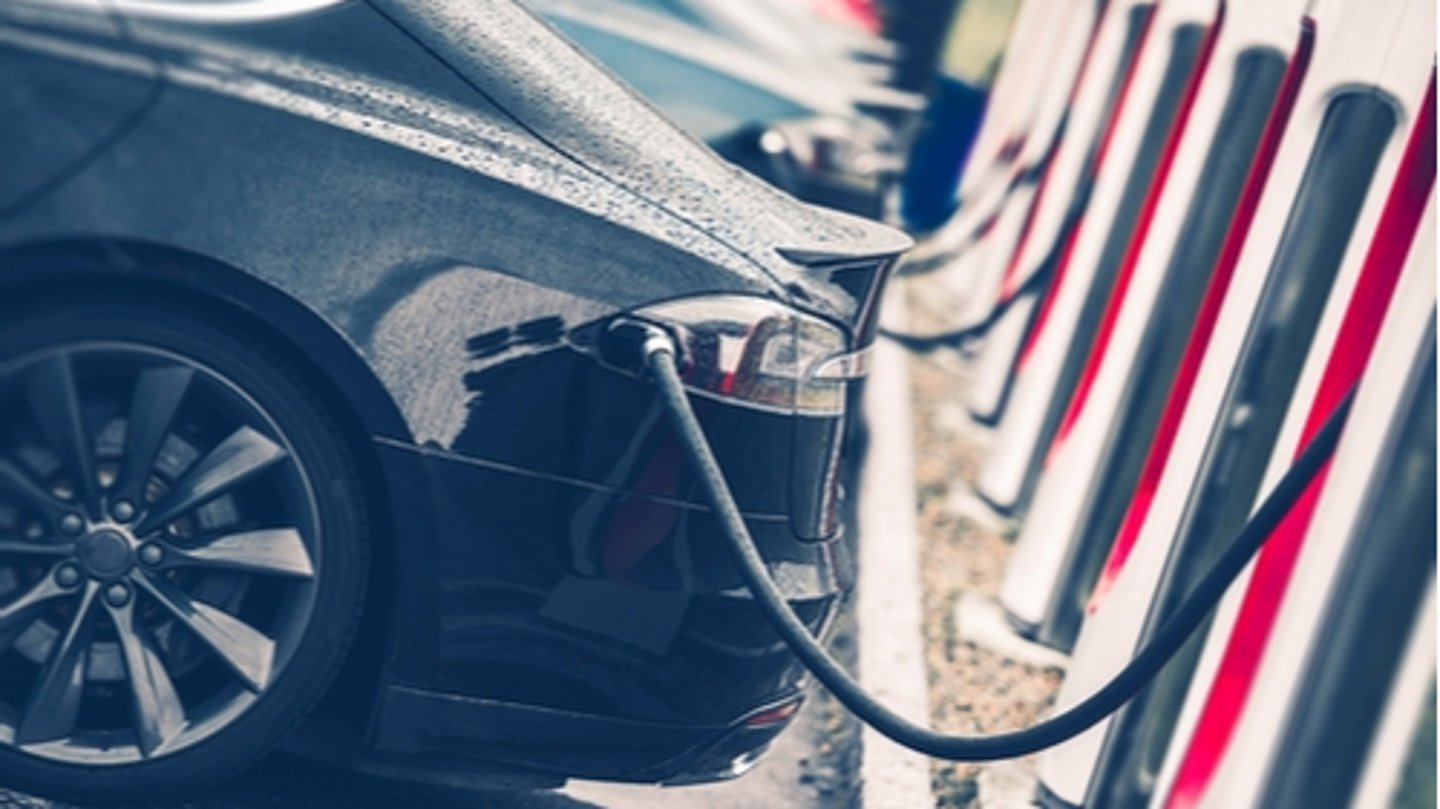
- Funding for charging infrastructure across provinces.
With B.C. stepping back from its provincial programs, the federal system will become the primary driver of EV adoption in the province.
What This Means for B.C.’s EV Future
While the 100% sales mandate by 2035 is no longer in effect, B.C. remains committed to supporting EV adoption through infrastructure investment and federal partnership. Analysts predict a slightly slower transition to electric vehicles, but industry experts remain optimistic that the market will continue growing steadily.
The decision reflects the challenges of balancing ambitious environmental goals with economic realities, including vehicle affordability, charging infrastructure, and consumer readiness.
Conclusion
B.C.’s decision to abandon its EV rebates and 2035 mandate is a landmark shift in Canadian EV policy. While some may view it as a setback for provincial climate goals, it underscores the importance of federal coordination and practical implementation in achieving a sustainable EV future. Consumers, automakers, and policymakers alike will be watching closely as B.C. navigates this new EV landscape.