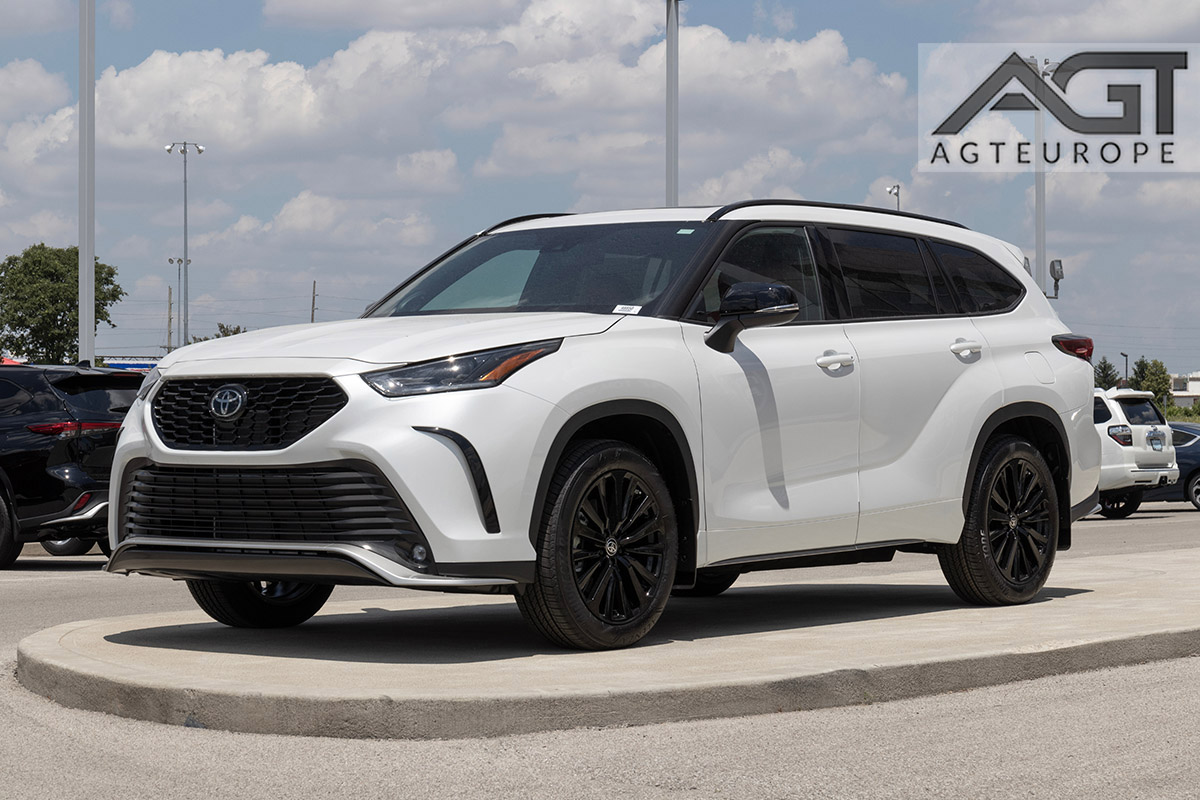
In a recent consumer dispute, an adjudicator has rejected a claim that a Toyota dealership overcharged a customer for a Highlander SUV. The decision sheds light on the importance of transparency in vehicle sales and reinforces the dealership’s adherence to pricing and disclosure regulations.
Background of the Dispute
The case involved a Toyota Highlander buyer who alleged that the dealership charged more than the advertised or agreed-upon price. The customer sought reimbursement, arguing that the dealership applied additional fees without proper consent.
The Toyota dealer, however, provided documentation showing that all charges were:
- Clearly outlined in the purchase agreement
- Compliant with local regulations
- Approved by the customer prior to finalizing the sale
Adjudicator’s Decision
After reviewing the evidence, the adjudicator ruled in favor of the dealership. Key points in the decision included:
- Transparent Pricing: The dealership had disclosed all applicable fees, taxes, and optional add-ons.
- Customer Consent: Documentation confirmed that the buyer had signed off on all charges.
- Compliance with Regulations: No violations of consumer protection or automotive sales laws were found.
This ruling highlights the importance of maintaining clear records and transparent communication in vehicle sales.
Implications for Toyota Customers
For consumers, this case serves as a reminder to:
- Carefully Review Agreements: Always read the sales contract in full, noting any additional fees or optional services.
- Ask Questions: Clarify any charges you do not understand before signing.
- Keep Documentation: Save receipts, email correspondence, and contract copies for reference.
- Know Your Rights: Understand local consumer protection laws regarding vehicle purchases.
Toyota’s Commitment to Customer Trust
Toyota has a long-standing reputation for quality vehicles and customer service. This case reinforces the company’s commitment to fair pricing practices and transparent dealership operations. By following strict compliance measures, Toyota dealerships aim to build trust and avoid disputes.
Conclusion
The adjudicator’s rejection of the claim against the Toyota dealer overcharging for a Highlander emphasizes the significance of documentation, transparency, and informed consent in automotive transactions. For buyers, it reinforces the value of diligence when reviewing purchase agreements, while dealerships are reminded of the benefits of clear communication and strict adherence to sales regulations.